
Start with the business decision
What Are Wholesale Streaming Devices?
Wholesale streaming devices are media players, TV boxes, or compact streaming sticks purchased by a business for resale, installation, bundling, or distribution. The wholesale decision is different from choosing one device for personal use. A reseller must evaluate not only what the product can do, but also how reliably it can be explained, stocked, supported, shipped, and reordered.
A practical wholesale review starts with customer demand. Identify where buyers use the product, which connections they ask for, whether they prefer a full-size device or a hidden compact format, and what price position makes sense in your channel. Then compare order quantities, package contents, product information, warranty guidance, fulfillment, and after-sales coordination.
The strongest first order is usually not the order with the largest quantity. It is the order that produces useful evidence about demand without creating more inventory than the business can responsibly sell and support. That is why introductory quantities, accurate product documentation, and a clear reorder process matter to new resellers.
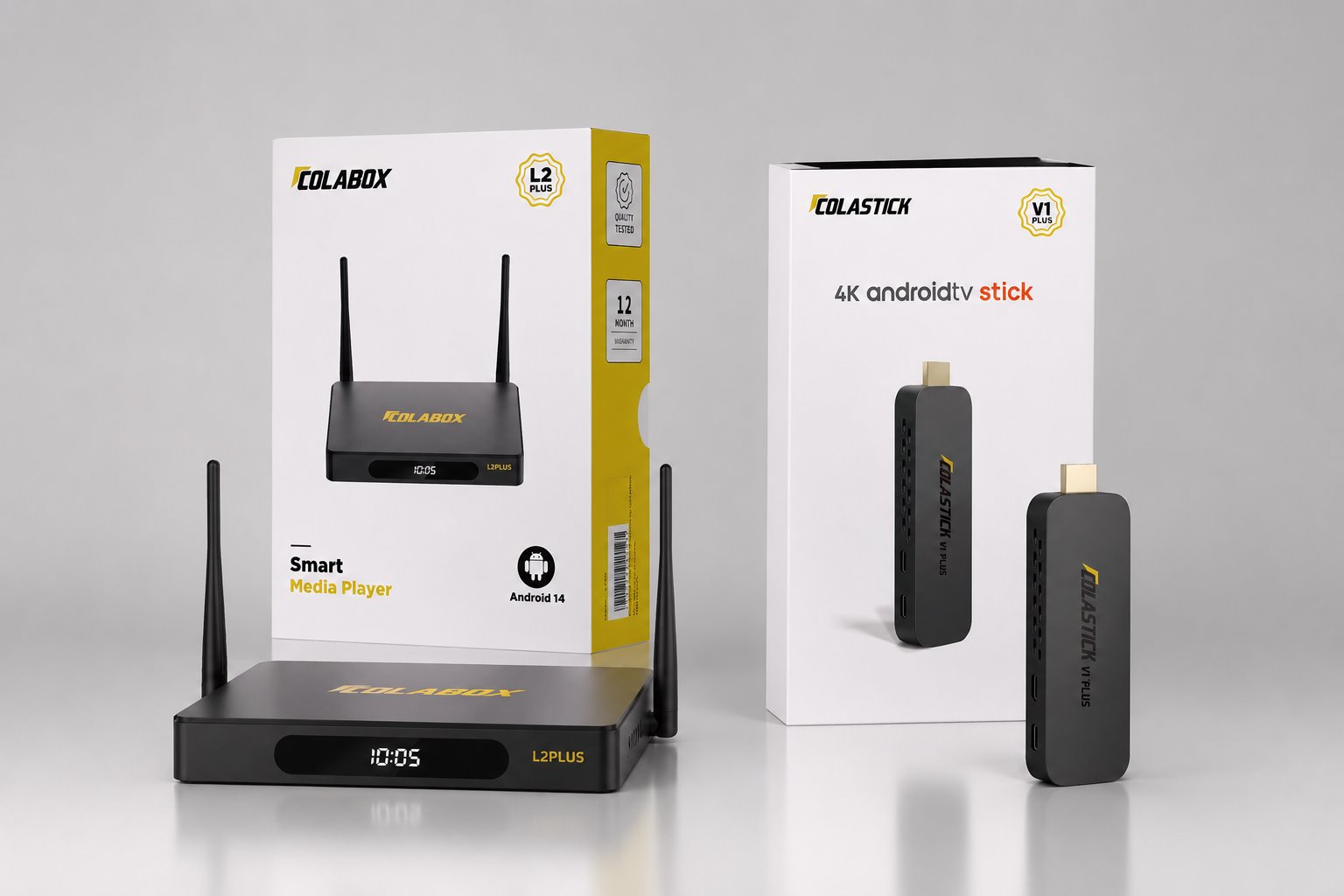
Resellers can review the current COLABOX wholesale product range before applying the buying criteria below.
Compare formats
TV Box vs Streaming Stick: Which Is Better for Resale?
A full-size TV box and a streaming stick can serve overlapping needs, but they create different sales conversations. Full-size media players are commonly considered by buyers who value ports, storage, visible hardware, or wired connectivity. Streaming sticks are commonly considered by buyers who value compact installation, portability, and a lower physical footprint.
These are general purchasing patterns, not universal rules. Specifications vary by model, so a reseller should compare the exact device rather than assuming that every product in one format has the same features.
| Buying factor | Full-size TV box | Streaming stick |
|---|---|---|
| Physical format | Larger enclosure with room for ports and wired connections | Compact device designed to connect directly or through an HDMI extension |
| Installation | Usually placed on a shelf, cabinet, or installation surface | Usually positioned behind or near the display |
| Ports | Often better suited to buyers who need multiple physical connection options | Usually prioritizes a smaller footprint over a broad port selection |
| Wired Ethernet | Available on some full-size models and useful where a wired network is preferred | Less common in compact stick formats; confirm the exact model before ordering |
| Storage | May offer more storage for buyers who want a higher-capacity device | Often positioned around compactness and straightforward everyday use |
| Portability | Practical for fixed main-screen installations | Easy to carry, bundle, demonstrate, or move between compatible displays |
| Main-screen use | A strong fit when the customer wants a visible, full-size media player with flexible connectivity | Can fit simple setups where compact size is the priority |
| Secondary TV use | Works when the customer prefers the same full-size format across rooms | Often easier to position for bedrooms, travel, and lower-footprint secondary screens |
| Bundles | Can support higher-value packages built around connectivity, storage, and installation | Can support compact bundles, add-on offers, and portable-use packages |
| Dealer inventory | Useful as a core product for customers comparing features and installation options | Useful as a complementary SKU for customers who prioritize size and portability |
Read specifications in context
Key Features to Compare Before Buying Wholesale Streaming Devices
A specification matters only when it supports a real customer need. Use the following categories to build a consistent comparison sheet for every product you consider. Keep supplier documentation, package contents, and customer-facing claims aligned so sales staff do not promise features that belong to another model.
Operating System
The operating system affects interface familiarity, app availability, update expectations, and the support questions a reseller may receive. Compare the current version, the supplier's update policy, and whether the interface matches the needs of your customer base. Current COLABOX wholesale products use Android 14. An operating-system version alone does not establish app certification or approval for any specific service, so those claims should be checked separately when they matter to a buyer.
Memory & Storage
Memory and storage are different purchasing factors. Memory supports active system processes, while storage provides space for installed software, updates, and local files. More is not automatically better for every sale. A customer using a main-room device and keeping more applications may value higher capacity, while a buyer choosing a simple secondary-screen product may prioritize size and price position instead.
Wi-Fi & Wired Ethernet
Wireless performance is important in nearly every installation, but the best connection method depends on the room and network. Dual-band Wi-Fi gives customers more placement flexibility. RJ45 Ethernet can be valuable for fixed installations, showrooms, projectors, or locations where a stable wired connection is preferred. Ask whether your target customers regularly request Ethernet before making it a central inventory requirement.
Bluetooth
Bluetooth can support compatible remotes, headphones, speakers, keyboards, and other accessories. Confirm the version listed for the exact model and think about which accessories your customers actually use. Resellers should avoid implying universal compatibility because accessory support may depend on the device, software, and accessory manufacturer.
Form Factor
Form factor shapes both the installation and the sales message. A full-size box is easier to present as a central media device with visible ports and a permanent place in the room. A streaming stick is easier to position around compact installation, travel, secondary displays, and bundles. The right choice depends on customer use rather than format alone.
Video Output
Confirm the supported output of the exact model and match it to the displays your customers use. Output capability is only one part of the experience; source content, software, display hardware, cables, and network conditions also matter. Use accurate product specifications and avoid promising a viewing result that depends on third-party services or equipment.
Match the product to the buyer
Choose Devices Based on Your Customer Base
The same device can perform well in one channel and create avoidable support work in another. Start with the customers you already reach, the questions they ask, and the installation conditions they commonly face. A focused assortment with a clear reason for each SKU is easier to explain than several similar products with no distinct role.
Main-TV Retail Customers
Customers buying for a living room or primary display may compare storage, wired Ethernet, ports, and the overall presentation of a full-size media player. A clear feature comparison and a complete package are often more useful than emphasizing compactness alone.
Compact-Setup Customers
Customers who want fewer visible devices, a secondary-screen setup, or a portable option may respond better to a streaming stick. Show the real package contents and explain any extension cable, coupler, power, and remote requirements.
Installers
Installers often need predictable connections, package contents, power requirements, and support information. A model with wired Ethernet can be useful in fixed rooms, while a compact model can help where space is limited. Ask about the actual installation environment before recommending one format.
Independent Ecommerce Sellers
Online sellers need accurate photos, consistent specifications, clear package contents, and realistic fulfillment expectations. A smaller assortment can make product pages and customer support easier to manage while demand is still being tested.
Regional Distributors
Distributors may need both a core full-size device and a compact alternative for different reseller accounts. Before carrying both, compare carton quantities, replenishment timing, channel rules, and whether each SKU serves a distinct customer need.
Test demand with intent
How Much Inventory Should a New Reseller Start With?
There is no single correct opening quantity for every reseller. A useful starting order depends on available cash, expected sales speed, storage space, advertising plans, return handling, and how quickly a replacement order can be arranged. A reseller with an established electronics audience may learn from a different quantity than a new store testing its first media-device offer.
Start with enough units to evaluate real demand, customer questions, delivery experience, and support workload. Define in advance what would justify a reorder: for example, a target number of completed sales, a stable return rate, and evidence that buyers understand the product position. Avoid treating a low unit price as a reason to hold more inventory than the business can sell.
For a step-by-step demand, safety-stock, and reorder framework, use the reseller inventory planning guide.
COLABOX L2 Plus
5 unitsCurrent introductory order
20 unitsStandard carton
COLASTICK V1 Plus
10 unitsCurrent introductory order
40 unitsStandard carton
These quantities are current COLABOX wholesale order options. They are not general industry standards and should not be used to estimate another supplier's minimum order. Confirm current inventory and terms in the written quote before placing an order.
Calculate the real purchase
Wholesale Pricing: Look Beyond the Unit Cost
Unit price is easy to compare, but it does not show the full cost of putting a sellable product into inventory. Landed cost is the practical total of the product cost plus the expenses required to receive and prepare that inventory for sale. Depending on the transaction, that may include shipping, payment costs, duties or taxes where applicable, handling, packaging, storage, returns, and support time.
Ask each supplier to describe what the quote includes. Confirm the product model, quantity, package contents, shipping destination, delivery method, payment terms, warranty guidance, and expected fulfillment timing. Compare quotes on the same basis. A lower unit price may not produce a lower landed cost if the order carries higher shipping, a larger minimum quantity, incomplete materials, or more complicated return coordination.
Margin planning should also allow for the realities of the sales channel. Advertising, marketplace fees, payment processing, customer service, replacements, and unsold inventory can change the result. This guide does not provide tax or accounting advice; use the costs that apply to your business and location.
Plan replenishment before stock runs low
Why Fulfillment Location Matters for US Resellers
Overseas sourcing and US-based fulfillment can support different purchasing strategies. An overseas order may offer access to factory-level volume, but the reseller may need to plan for longer transportation, customs processes, larger quantities, and more working capital tied up in transit. US inventory can simplify domestic replenishment when stock is available, especially for a reseller still learning demand.
COLABOX supports fulfillment from California for available US wholesale inventory. Availability is not guaranteed at all times, and shipping timing is confirmed for each order. Before purchasing, ask what is currently available, how the order will be shipped, whether tracking is provided, and what information is needed to prepare a reorder.
A basic reorder plan should use actual sales pace rather than guesswork. Track weekly unit sales, remaining sellable stock, returns, and expected lead time. Reorder early enough to cover normal sales during fulfillment, but do not assume that every period will match the strongest sales week.
Support is part of the product
Warranty and After-Sales Support Matter in Wholesale
Resellers become the first contact for many customer questions. Before ordering, understand what information the supplier provides and what the reseller remains responsible for. Clear package contents, setup guidance, current specifications, and a defined escalation path can reduce confusion after the sale.
COLABOX wholesale support can include warranty guidance, RMA coordination, technical support coordination, and dealer support. The applicable terms are confirmed through current dealer documentation and the written order process. This does not remove the reseller's responsibility to provide accurate listings, manage customer communication, and follow the approved procedure when a product issue is reported.
Ask how returns are evaluated, what order information is required, who pays applicable shipping, and how replacement or technical cases are coordinated. Do not promise a customer a remedy that has not been confirmed by the supplier's current policy.
For more context on the supply and support approach, read About COLABOX Wholesale.
Confirm permission before listing
Check Sales Channel Rules Before Ordering
A wholesale purchase and dealer authorization are not the same thing. A business may be able to place an introductory order without prior dealer status, while ongoing authorization and channel permissions are reviewed separately. Approval for one sales channel does not automatically approve every marketplace, platform, store, or advertising method.
Before ordering inventory for a specific channel, explain where and how you plan to sell. Ask whether the channel is permitted, whether approved images or wording are required, and whether authorization has an expiration or review process. Certain third-party marketplaces may be restricted. Do not interpret dealer status as universal marketplace approval.
Wholesale Inventory vs Dropshipping
Wholesale inventory means the reseller purchases products and manages customer sales, service, and fulfillment. Dropshipping usually means the supplier ships individual customer orders on the seller's behalf. The operating responsibilities are different, so they should not be treated as interchangeable models.
COLABOX does not currently operate a general dropshipping program for dealer orders. Dealers purchase inventory and manage their own customer fulfillment. This makes inventory planning, customer support, and channel compliance part of the reseller's operating decision.
Current COLABOX options
Compare COLABOX Wholesale Streaming Devices
COLABOX currently offers two formats for different customer and inventory needs. The comparison below uses confirmed product information and is intended to help resellers identify fit. It is not a ranking, and the right model depends on the customer, installation, and sales channel.
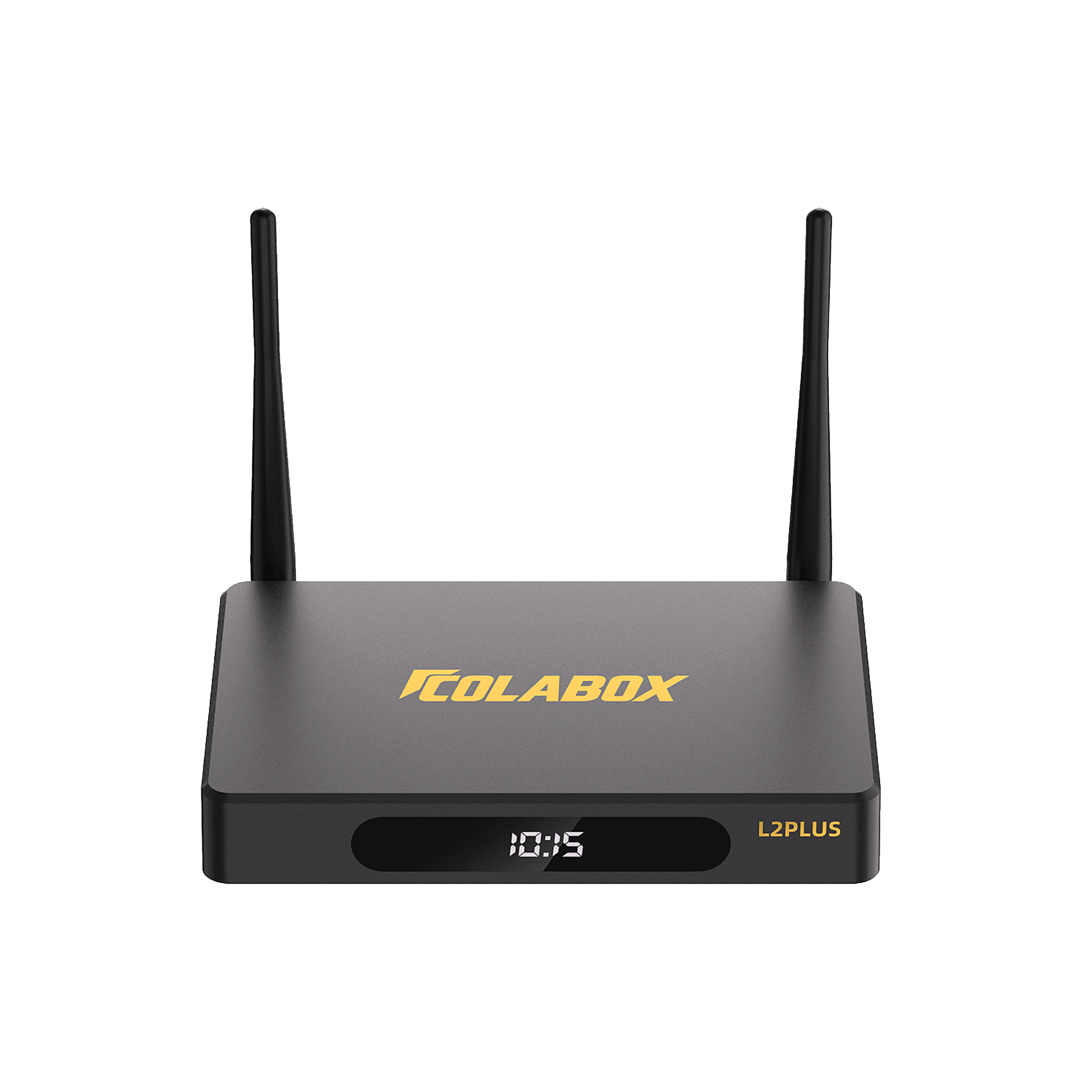
Full-size media player
COLABOX L2 Plus
- Android 14
- 4GB RAM and 64GB storage
- Dual-band Wi-Fi and RJ45 Ethernet
- Bluetooth 5.0 and up to 4K video output
- Introductory order from 5 units
- Standard carton of 20 units
Stronger fit: full-size main-screen setups, larger storage needs, and fixed installations where wired Ethernet is useful.
View COLABOX L2 Plus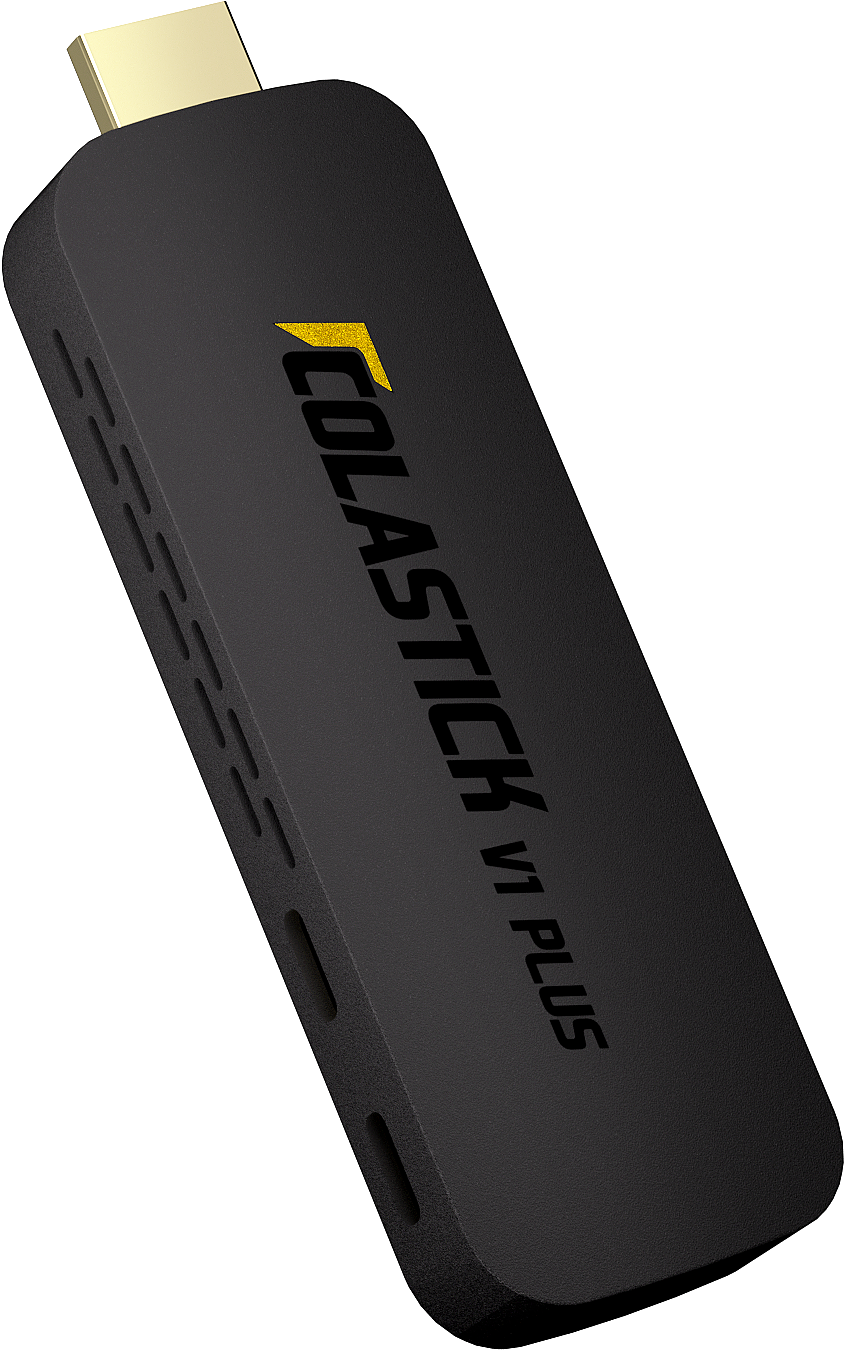
Compact HDMI device
COLASTICK V1 Plus
- Android 14
- 32GB storage
- Dual-band Wi-Fi
- Bluetooth 5.0
- Introductory order from 10 units
- Standard carton of 40 units
Stronger fit: compact installations, portable use, secondary screens, and assortments that need a lower-footprint device.
View COLASTICK V1 PlusShould a Reseller Carry One Device or Both?
Carry one device when the business has a clear customer profile, limited opening capital, or a sales team that benefits from a simple offer. One focused SKU makes it easier to measure demand, maintain accurate listings, and learn the most common support questions.
Carry both when each product has a distinct role in the assortment and there is enough demand to support separate inventory. The L2 Plus can address buyers who want a full-size device, higher storage, and wired Ethernet, while the COLASTICK V1 Plus can address buyers who prioritize a compact format. A two-product range works best when the sales message clearly explains why a customer would choose one over the other.
Use before requesting a quote
Wholesale Streaming Device Buying Checklist
Use this checklist to keep product comparison, financial planning, and operating responsibilities in one review. A supplier quote should resolve the open questions before payment, not create new uncertainty afterward.
- Define the customer and use case for each SKU.
- Compare full-size media players and compact streaming sticks.
- Verify operating system, memory, storage, connectivity, and package contents.
- Confirm introductory quantity and standard carton quantity for each model.
- Calculate landed cost rather than comparing unit price alone.
- Confirm current inventory, fulfillment location, shipping estimate, and reorder process.
- Review warranty guidance, RMA coordination, and technical support procedures.
- Confirm which sales channels are permitted before listing products.
- Decide whether one focused SKU or a two-product assortment better fits demand.
- Keep product claims aligned with approved specifications and sales materials.
Common buying questions
Wholesale Streaming Device FAQ
What are wholesale streaming devices?
Wholesale streaming devices are media players or streaming sticks purchased by a business for resale, installation, bundling, or regional distribution. A wholesale evaluation should include product fit, order quantity, fulfillment, support, channel rules, and total landed cost.
What is the difference between a TV box and a streaming stick?
A TV box is a full-size media player that may provide more physical connections, storage, and wired-network options. A streaming stick prioritizes a compact footprint and can be easier to position for portable, secondary-screen, or space-conscious setups. Exact features vary by model.
Which streaming-device format is better for resale?
Neither format is universally better. A full-size media player can be a stronger fit for main-screen customers who value storage and connectivity, while a streaming stick can fit buyers who prioritize compact size and portability. The better choice is the one that matches your customer base and sales channel.
How many units should a new reseller order?
Start with a quantity you can support and learn from. Current COLABOX introductory quantities start at 5 units for the L2 Plus and 10 units for the COLASTICK V1 Plus. These are COLABOX order options, not general industry standards.
Should I compare unit price or landed cost?
Compare landed cost. Unit price is only the product cost. Landed cost also considers shipping, payment costs, duties or taxes when applicable, handling, returns, and the operational cost of holding inventory.
Does COLABOX offer US inventory?
Available US wholesale inventory can be fulfilled from California. Current availability, quantity, shipping, and timing are confirmed in the written quote for each order.
Do I need dealer authorization for an introductory order?
No. An introductory wholesale order does not require prior dealer authorization. A business may request a quote and test demand before applying for an ongoing authorized dealer relationship.
Does COLABOX offer general dropshipping?
No. COLABOX does not currently operate a general dropshipping program for dealer orders. Dealers purchase inventory and manage their own customer sales, service, and fulfillment.
Can an approved dealer sell through any marketplace?
No. Approval varies by business and sales channel. Dealer status does not automatically authorize every marketplace or platform, and certain third-party channels may be restricted.
How do I request wholesale pricing?
Use the wholesale quote form and provide your product interest, quantity, location, and sales channel. COLABOX confirms inventory, product mix, shipping, payment terms, and current pricing in writing.