
Start with a use case
Choose Your Target Customer Before Choosing Inventory
A new reseller can make better product and sales-channel decisions by defining a primary customer first. “Anyone who watches television” is too broad to guide inventory. A useful target describes where the device will be used, what problem the buyer is trying to solve, how much help the buyer may need, and how the reseller expects to reach that person.
One reseller may focus on main-TV devices, while another serves compact secondary-screen setups. Installers may need repeatable package contents and clear support procedures; ecommerce sellers may depend more on accurate listings and responsive pre-sale support.
Main-TV Buyers
Customers looking for a full-size device for a primary television or shared viewing area may value a stable, complete setup and straightforward connectivity.
Secondary-Screen Buyers
Customers shopping for bedrooms, guest rooms, travel, or compact displays may prefer a smaller device with a lighter physical footprint.
Installers
Installers may need consistent product information, predictable package contents, and a clear process for warranty or replacement coordination.
Ecommerce Customers
Online buyers may compare specifications and package contents closely, making accurate listings, current images, and responsive support especially important.
Choose one primary segment for the first test so early results are easier to interpret.
Match the channel to the buyer
Decide Where You Will Sell
Possible channels include an independent ecommerce site, a local retail location, direct sales to existing customers, social commerce, installation services, and regional distribution. Each channel changes acquisition cost, product presentation, fulfillment, returns, and customer-support expectations.
A local retailer may demonstrate the device in person. An ecommerce seller needs clear product pages and reliable order handling. Installers may bundle hardware with a service, while regional distributors may prioritize repeat availability. Select channels the business can support operationally.
Before listing, confirm the channel's current rules and the supplier's channel policy. Buying inventory does not automatically create permission to use every marketplace, claim authorization, or present a supplier's brand in any way the reseller chooses. COLABOX authorization is not universal across all channels, and approved channels are reviewed separately.
Format follows the use case
Choose a Product Type That Fits the Market
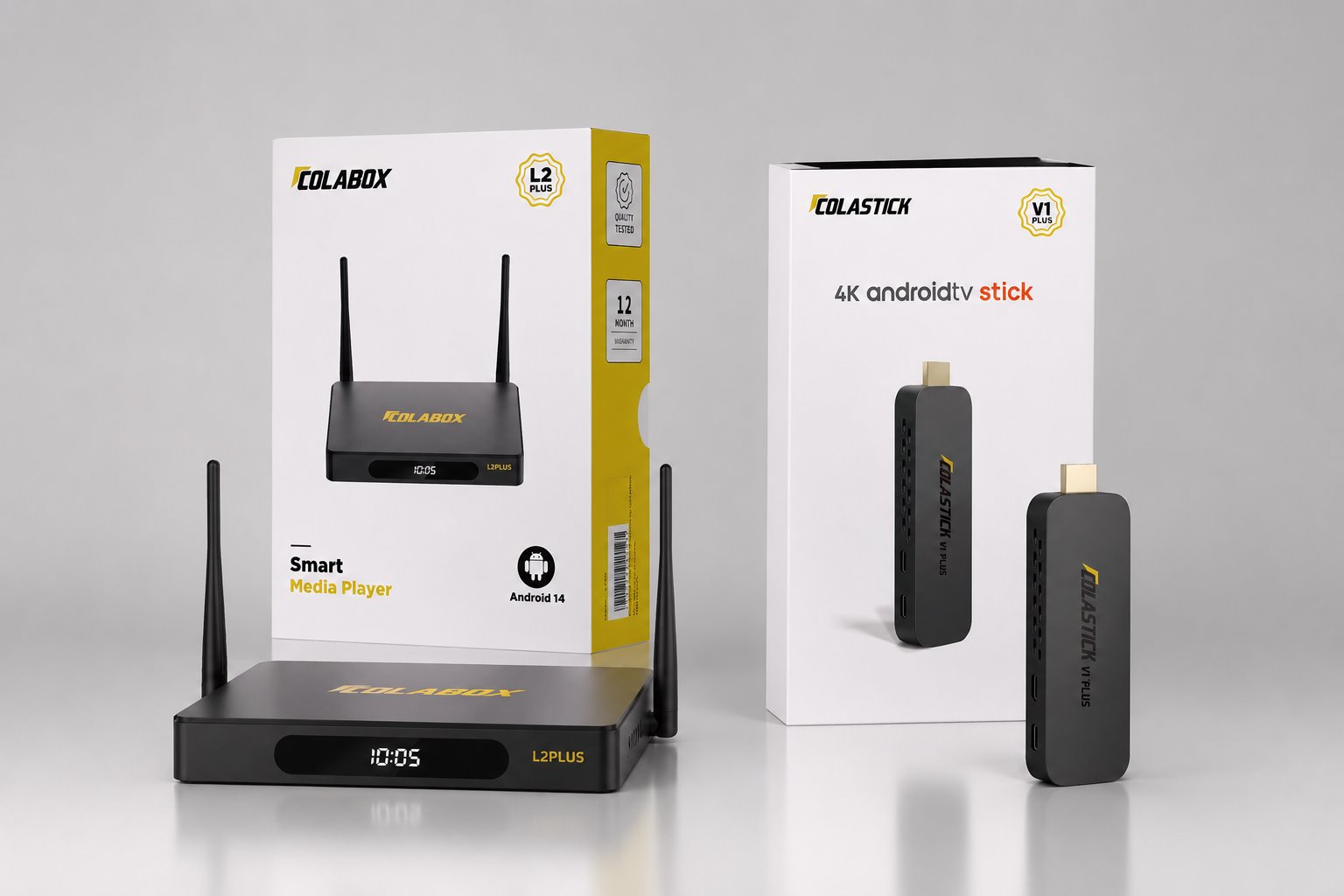
Streaming devices are commonly sold as full-size media players or compact stick-style devices. A full-size player may fit primary televisions, projectors, shared rooms, and installations where a visible, stable setup is acceptable. A compact stick may fit secondary screens, travel, bedrooms, or customers who want fewer visible components.
Neither format is automatically better. Compare physical size, connectivity, storage, package contents, installation expectations, and the questions the target buyer is likely to ask. The first assortment should be simple enough that the reseller can explain the difference accurately and recommend a model without confusing the customer.
For a more detailed format and supplier comparison, read Wholesale Streaming Devices: A Buying Guide for Resellers. It covers product evaluation in more depth, while this guide focuses on building the wider reseller process.
Verify the operating details
Find a Wholesale Supplier You Can Evaluate
A supplier should provide enough information for the reseller to understand what is being ordered, how it will arrive, and what happens after delivery. Ask for the current specifications, exact package contents, minimum quantity, carton quantity, inventory status, fulfillment location, freight terms, warranty process, and reorder procedure in writing.
Product photos and a low unit price are not a complete review. Confirm approved sales materials, defective-unit handling, responsibility for lost or damaged shipments, and channel restrictions. These details affect support and inventory cost.
- Confirmed product specifications and package contents
- Introductory minimum order quantity
- Standard carton quantity
- Current inventory availability
- Fulfillment location and estimated dispatch timing
- Freight method and shipping responsibility
- Warranty scope and duration
- RMA or defective-unit process
- Availability of approved product resources
- Handling of lost or damaged shipments
- Expected reorder process and lead time
- Sales-channel or authorization rules
Supplier Signals That May Warrant Additional Verification
Incomplete specifications, changing package descriptions, pressure to place a large order before receiving written terms, unclear warranty responsibility, and refusal to explain fulfillment or channel rules may warrant additional verification. These signals do not prove misconduct, but they make it harder to estimate risk or support customers consistently.
Keep records of the quote, model, quantity, shipping terms, and agreed support process. If important terms remain unknown, label them as unknown rather than filling the gap with an assumption.
Buy information, not just units
Plan a Test Order with a Defined Purpose
A test order should answer specific business questions: Can the selected channel produce qualified interest? Which customer questions repeat? How long does setup support take? What percentage of available units sell during the test period? Are returns connected to product fit, unclear listings, or another cause?
Decide the test period, target channel, audience, and measurement plan before inventory arrives. Avoid spreading a small quantity across too many channels because the results become difficult to interpret. Keep a simple record of units received, units available, units sold, returns, customer questions, and actual costs.
A smaller test still needs a viable price, accurate listing, support process, and reorder decision. Use the reseller inventory planning guide to estimate opening stock, safety stock, and reorder coverage.
Look beyond unit price
Calculate the Real Cost of Sellable Inventory
The quoted wholesale unit price is only one part of the purchasing decision. Freight, payment costs, handling, import-related expenses when applicable, damaged units, and other direct order costs can change the amount invested in each sellable unit. Sales-channel fees, returns, support time, and general operating costs may also affect final profitability even when they sit outside a narrow landed-cost calculation.
Use a consistent worksheet for every quote and divide applicable direct order costs by the number of sellable units received. Comparing suppliers on different cost definitions creates a misleading result. The wholesale pricing and landed cost guide provides formulas, a worked illustration, and a detailed quote checklist.
Planning note: This guide provides a general business framework, not legal, tax, accounting, or financial advice. Rules and cost treatment vary by jurisdiction and business structure. Consult qualified professionals for advice specific to your business.
Price for the full operation
Set a Sustainable Selling Price
A selling price should account for the landed cost of the product and the operating costs required to complete the sale. Depending on the channel, that may include payment processing, customer acquisition, fulfillment, returns, support time, and other overhead. A price that only covers the supplier invoice can leave no room to operate the business.
There is no universal margin that works for every reseller. Required pricing depends on actual costs, customer expectations, competition, support workload, and channel economics. Use scenarios instead of a single optimistic forecast, and do not rely on guaranteed resale prices or guaranteed returns.
Accuracy protects the customer relationship
Prepare Product Information Before Listing
A product page should identify the exact model, intended use, package contents, relevant specifications, setup expectations, warranty information, and support contact. Use current supplier-approved images and copy where available, then add original explanations that help the target customer understand fit.
Do not publish specifications that have not been confirmed, copy another seller's material without permission, imply certifications that the supplier has not documented, or make claims about third-party services that cannot be supported. A reseller should also avoid promoting unauthorized or pirated content. The product listing must describe the hardware and lawful use accurately.
Review the listing on mobile and desktop, verify that images match the model, and make return or warranty conditions visible before purchase.
Prepare for the questions after checkout
Plan Customer Support and Returns
Before selling, document who answers setup questions, how customers contact the business, what evidence is needed for a defective-unit claim, and when a return should be referred to the supplier's warranty or RMA process. The reseller remains responsible for communicating clearly with its own customers even when a supplier assists behind the scenes.
Create short responses for package contents, connections, setup, warranty, and returns. Log repeated questions; when buyers misunderstand the same point, improve the listing or pre-sale explanation.
Support capacity should influence order size. Selling more units without a repeatable support process can increase response time, returns, and operational strain.
Use observable demand
Measure Sell-Through During the Test
Sell-through rate shows what portion of available inventory sold during a defined period. It helps a reseller compare demand with the amount of stock exposed to the market. Always label the period and keep the definition of “available” consistent.
A single percentage does not explain the result. Review it beside traffic, inquiries, pricing, customer questions, returns, and the measurement period.
Reorder before urgency takes over
Build a Reorder Strategy from Real Sales
A reorder point should reflect observed weekly sales, supplier lead time, stock already committed, and a reasonable safety buffer. Waiting until inventory reaches zero can interrupt sales, while reordering too early can tie up cash in stock that has not yet proven demand.
Review the test at a fixed interval, separate launch activity from repeat demand, and examine whether returns or support workload changed the result.
Scale because demand has become more predictable, not only because a larger order offers a lower unit price. A lower price does not help if the extra inventory remains unsold or creates more support and holding cost than expected.
COLABOX Introductory and Carton Options
COLABOX currently offers introductory wholesale quantities from 5 units for COLABOX L2 Plus and from 10 units for COLASTICK V1 Plus. Standard cartons contain 20 L2 Plus units or 40 COLASTICK V1 Plus units. These are COLABOX ordering options, not universal quantities for the streaming-device industry. Availability, product mix, destination, shipping, and quote terms are confirmed before each order.
Avoid preventable launch problems
Common Mistakes New Resellers Should Avoid
Starting with an Undefined Customer
A broad audience makes product selection, messaging, and support planning harder to test.
Comparing Only Unit Prices
Freight, payment costs, package contents, warranty handling, and reorder timing can change the real result.
Ordering for a Forecast, Not Evidence
A large first order can create excess inventory before the channel and customer fit are known.
Listing Before Confirming the Details
Unverified specifications, images, or package claims can create returns and damage customer trust.
Ignoring Channel Restrictions
Purchasing inventory does not create universal permission to sell or claim authorization everywhere.
Scaling Without Support Capacity
More sales can increase setup questions and return handling faster than expected.
Turn preparation into a controlled test
A Practical 30-Day Reseller Startup Plan
This four-week framework is an illustrative planning sequence, not a promise that a business will launch, sell a specific quantity, or become profitable within 30 days. Adjust the timing to supplier availability, local requirements, and the operating capacity of the business.
Week 1: Define the Market
Choose the primary customer, use case, and one or two sales channels. Review competitors for positioning and customer questions, but do not copy protected content or assume their claims are accurate. Decide what evidence would make the test useful.
Week 2: Verify Product and Supplier
Compare formats, request written quotes, confirm package contents, review fulfillment and warranty processes, calculate estimated landed cost, and check channel rules. Select a test quantity that the business can support.
Week 3: Prepare the Sales Operation
Create accurate product information, approved images, a pricing worksheet, customer-support responses, return steps, and inventory tracking. Test the purchase or inquiry path on mobile and desktop before promoting the offer.
Week 4: Launch and Measure
Make the product available through the selected channels. Record inquiries, units sold, sell-through, returns, support questions, and actual costs. At the end of the period, decide whether to adjust, reorder, expand, or continue observing.
Reseller Launch Checklist
- Define one primary customer segment
- Select one or two realistic sales channels
- Choose the device format that fits the use case
- Verify specifications and package contents
- Confirm introductory and carton quantities
- Request a complete written wholesale quote
- Calculate estimated landed cost per sellable unit
- Set a price that covers direct and operating costs
- Prepare accurate product copy and approved images
- Document warranty and return procedures
- Place a controlled test order
- Track units available and units sold
- Record customer questions and return reasons
- Set a reorder point before stock becomes critical
- Review dealer authorization separately from purchasing
Use the checklist as a decision record. An incomplete item is not automatically a reason to stop, but it should remain visible as an unresolved risk rather than disappearing into the launch schedule.
Reseller business questions
Streaming Device Reselling FAQ
How much money do I need to start reselling streaming devices?
There is no universal starting amount. Build a budget from the test-order quantity, estimated landed cost, sales-channel costs, packaging or fulfillment expenses, and a reserve for returns or support. Use written supplier quotes rather than a generic industry estimate.
Do I need a large opening order?
Not necessarily. A controlled test order can provide useful demand and support data before a larger commitment. Minimum quantities vary by supplier and product, so confirm the exact terms before ordering.
Which type of streaming device should a new reseller choose?
Choose according to the target customer's use case. A full-size media player may suit primary-screen or installation needs, while a compact stick may fit secondary screens, travel, or space-conscious setups. The best starting format depends on the market being tested.
Should I choose the supplier with the lowest unit price?
No. Compare landed cost, package contents, order quantity, fulfillment timing, warranty handling, product resources, sales-channel rules, and reorder reliability. Unit price alone does not show the full commercial or operational fit.
How do I know when to reorder?
Track weekly sales, stock on hand, supplier lead time, and a reasonable safety buffer. A reorder point should be based on observed demand rather than optimism about future sales.
Does buying wholesale make me an authorized dealer?
No. A wholesale purchase and dealer authorization are separate. Authorization requires its own review, may apply only to approved channels or periods, and is not guaranteed by an order or application.
Can a reseller sell on any marketplace or platform?
Do not assume so. Platform rules, supplier policies, and authorization terms may restrict certain channels. Confirm permission for each planned channel before listing products.
Is wholesale reselling the same as dropshipping?
No. Wholesale resellers normally purchase and manage inventory, then handle their own customer sales and fulfillment. Dropshipping uses a different fulfillment relationship. COLABOX does not offer a general dropshipping program.
What should I track during a test order?
Track units available, units sold, sell-through rate, customer questions, returns, support time, channel costs, actual shipping expense, and the time needed to prepare a reorder. These observations are more useful than sales volume alone.
How can I request a COLABOX wholesale quote?
Use the wholesale inquiry form, email zenos@colaboxtv.com, or message +1 (805) 284-6832 on WhatsApp. Product, quantity, inventory, destination, shipping, and other order terms are confirmed in writing.
Build from evidence
Use the First Order to Improve the Second
A practical reseller business improves through repeated decisions: define a customer, verify the product and supplier, test inventory, measure the result, and reorder when the evidence supports it.
Explore the COLABOX wholesale range for current products and ordering paths. Wholesale terms are quote-based and confirmed in writing for the requested product, quantity, inventory, destination, and shipping requirements.